Authors' Allies #11: Get Your Books Into Libraries: Insider Secrets from a Librarian & Author
Getting a book onto library shelves is one of the most misunderstood parts of an author's marketing journey. Most indie authors assume it works like a bookstore: print some copies, walk in, and ask a staff member to shelve them. It doesn't — and that misunderstanding is exactly why so many good books never make it into library systems at all.
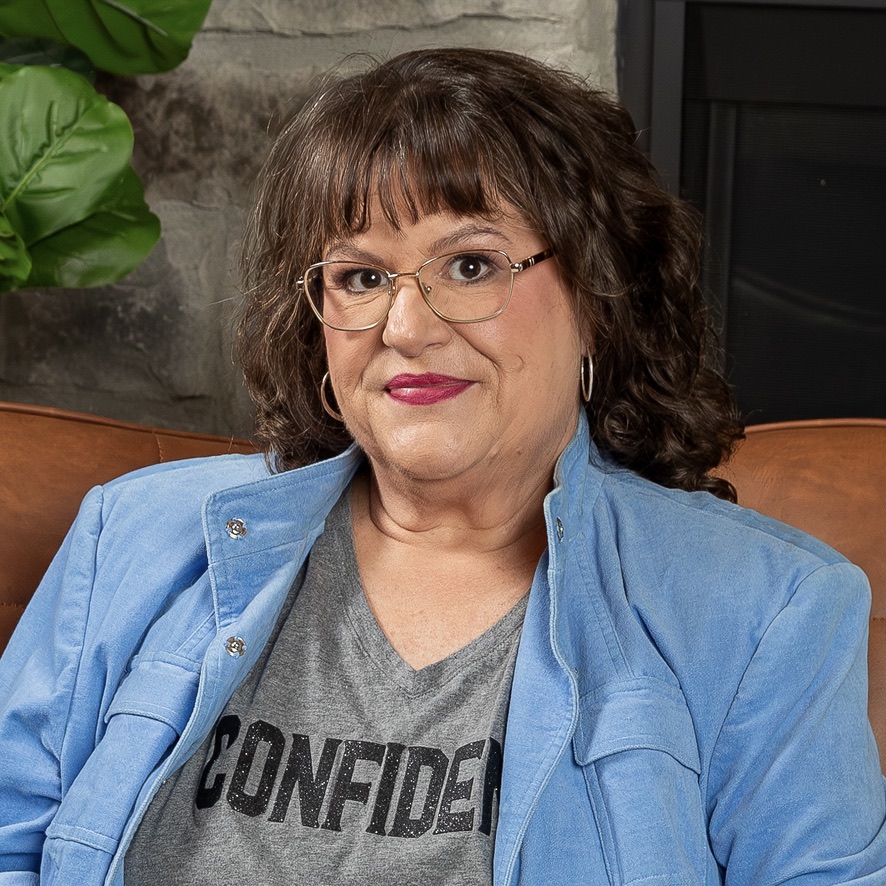
In Episode 11 of the Authors' Allies podcast, I sit down with Cari Dubiel — a working librarian, award-winning mystery author, editor, and mindfulness advocate — to pull back the curtain on how libraries actually decide what to acquire, what readers are borrowing right now, and how authors can build a real relationship with the library world instead of an accidental one.
Cari brings a rare dual perspective. She spends her days on the library side of the counter and her nights on the author side of the query letter, which makes her one of the few people who can explain, in plain terms, why a well-meaning author dropping off a box of paperbacks unannounced is more likely to hurt their chances than help them.
This post expands on the full conversation, organized by topic, so you can jump to the section most relevant to your own book marketing plan.
Who Is Cari Dubiel?
Cari Dubiel wears several hats at once: librarian, novelist, editor, and mindfulness practitioner. She's the author of a series of award-winning mysteries and the genre-bending story collection I Loved the Mothman and Other Stories, and she is also a founder at Duskbound Books, a hybrid publishing venture that supports authors through the editing and production side of getting a book market-ready.
That combination of roles is a big part of why this episode is so useful. Cari isn't offering theoretical advice about libraries — she's describing the acquisitions process, the reader trends, and the staff-side realities she sees firsthand, week after week, at the circulation desk.
Balancing Multiple Creative Roles
One of the first things Rebecca and Cari dig into is simply how Cari manages to be a full-time librarian, a novelist, an editor, and a mindfulness teacher all at once without burning out. For authors who also hold a day job — which is most authors — this part of the conversation is less about libraries specifically and more about sustainable creative practice: protecting writing time, setting boundaries around each role, and treating creative work as a discipline rather than something that only happens when inspiration strikes.
What Really Happens Behind the Scenes at Modern Libraries
Libraries today look very different from the quiet, book-lined image most people carry around from childhood. Cari describes the operational reality of a modern branch: constant public interaction, programming demands, community outreach, and a collection budget that has to stretch across physical books, ebooks, audiobooks, and streaming formats.
Understanding this operational side matters for authors because it explains why libraries acquire the way they do. A library isn't just curating "good books" — it's managing a shared public resource with limited shelf space and a limited budget, which means every acquisition decision is also a triage decision.
Mindfulness for Library Workers — and for Authors
Because library work is public-facing and often high-stress — think reference questions, behavioral incidents, and the emotional labor of being a community's default social safety net — Cari has brought mindfulness training into her library work to help staff manage that stress sustainably.
The same principles translate directly to the writing life. Authors face their own version of public-facing stress: reviews, rejection, comparison, and the pressure of visibility on social media. Cari's approach to mindfulness offers a practical model for authors looking to protect their mental bandwidth while still showing up consistently for their readers and their craft.
Current Reader Trends: BookTok and the Rise of the Locked-Room Thriller
Reader taste moves fast, and libraries are often the first place those shifts show up in hard numbers — hold lists don't lie. Cari talks through what's currently driving demand at the library, including:
The outsized influence of BookTok on what patrons request by name
A strong current appetite for locked-room and closed-circle thrillers
How viral, social-media-driven demand creates sudden spikes libraries have to plan around
For authors, this is a reminder that library acquisitions aren't happening in a vacuum — they're responding to the same cultural currents shaping retail sales, which makes tracking those trends useful no matter which channel you're trying to reach readers through.
Ebooks, Print, Playaway Devices, and the Shift in Audiobook Formats
The conversation also covers the format side of library lending, an area many authors overlook entirely. Print and ebooks remain core to any collection, but Cari details how audiobook consumption has changed — including the decline of physical Playaway devices as streaming and app-based audiobook access have become the norm for most patrons.
This matters for authors weighing publishing formats: if your book isn't available in the formats your local library actually circulates, you're closing off an entire channel of discovery before a reader ever gets the chance to find you.
How The Author's Guide to Libraries Was Born — and Why You Shouldn't Just Drop Off Your Book
This is the heart of the episode. Cari wrote The Author's Guide to Libraries specifically because she kept watching well-intentioned authors make the same mistake: showing up at a library unannounced, book in hand, expecting a librarian to add it to the collection on the spot.
Libraries don't work that way — and understanding why is the single most useful takeaway for any author hoping to see their book on the shelf. A few realities Cari highlights:
Acquisitions follow a formal process. Most libraries use collection development policies, review sources, and vendor catalogs rather than accepting walk-in donations for circulation.
Local library systems often have a specific process for local or self-published authors — usually a form, an email contact, or a designated collection development librarian — and finding that process is far more effective than an in-person drop-off.
Professional packaging matters. A library-ready book generally needs a barcode, appropriate binding, cataloging-friendly metadata, and reviews or professional endorsements that help a librarian justify the acquisition to a budget committee.
Relationships beat transactions. Author events, summer reading partnerships, and local history or community-interest angles give a librarian a reason to champion your book internally — something a box of books on the counter never will.
If there's one section of this episode to bookmark, it's this one. It reframes "getting into libraries" from a single ask into an ongoing relationship built on understanding how the institution actually operates.
Children's Authors and Library Events
Children's authors face a distinct version of this same challenge. Cari discusses the gap in feedback that many children's book authors experience — it's often harder to gauge what's landing with young readers than with adult audiences — and how library programming, story times, and school-adjacent events can offer children's authors direct, real-time insight into how their books perform in front of an actual audience.
Editing and Hybrid Publishing with Duskbound Books
Beyond her library work, Cari runs Duskbound Books, a hybrid publishing venture focused on editing and supporting authors through the production process. This part of the conversation covers what hybrid publishing actually looks like in practice, how it differs from both traditional and fully self-directed publishing, and where professional editing fits into an author's path to a library-ready, retail-ready book.
Cryptids, Myth, and I Loved the Mothman and Other Stories
On the creative side, Cari talks about her fascination with cryptids — Mothman in particular — as a form of modern folklore, and how that fascination became the seed for her story collection I Loved the Mothman and Other Stories. It's a look at how genre fiction can turn regional legend and internet-era mythology into fully realized fiction, and it sets up her upcoming project, Detective Mothman.
What's Next for Cari Dubiel
Cari previews two upcoming projects discussed in the episode:
Detective Mothman — a continuation of the cryptid-inspired fiction introduced in her story collection
The Author's Guide to Bookstores — a companion follow-up to The Author's Guide to Libraries, this time focused on getting books into bookstores
Cari's Advice for Aspiring Authors
The episode closes with Cari's practical advice for writers trying to balance creative ambition with the realities of everyday life — a fitting bookend to the opening conversation about juggling multiple roles. Her core message: sustainable creative practice, realistic expectations about institutional processes like library acquisitions, and genuine relationship-building will get an author further than any single big push ever will.
Episode Timestamps
05:10 — Balancing a Busy Life
09:00 — Teaching Mindfulness to Library Workers
13:20 — Stress and Reality of Working in Libraries
17:10 — Current Reader Trends and BookTok Influence
22:30 — Ebooks vs. Print: What's Popular Now
26:00 — Playaway Devices and Streaming Changes
30:20 — How Author's Guide to Libraries Was Born
35:00 — Children's Authors and Library Events
38:40 — Editing and Hybrid Publishing with Duskbound Books
44:30 — Creating I Loved the Mothman and Other Stories
49:40 — Upcoming Projects: Detective Mothman and Author's Guide to Bookstores
53:10 — Cari's Advice for Aspiring Authors
Watch the full episode on YouTube:
Where to Find Cari Dubiel
Website: caridubielauthor.com
Duskbound Books: duskboundbooks.com and on Substack
I Loved the Mothman and Other Stories: amzn.to/4bG9Xfn
The Author's Guide to Libraries: amzn.to/4hrQqAC
All of Cari's books: amzn.to/41VkPCP
If you enjoy reading the script vs watching, you can do that below.
Frequently Asked Questions
How do I get my self-published book into a library?
Most libraries have a specific collection development process for local and self-published authors — typically a submission form, a dedicated email address, or a collection development librarian who reviews new acquisitions. Contact your local branch directly to find that process rather than dropping off copies in person. A library-ready book with a barcode, proper binding, cataloging-friendly metadata, and a few professional reviews is far more likely to be considered.
Why shouldn't I just bring my book to the library in person?
Libraries acquire titles through a formal process tied to collection development policies and budget approval, not through walk-in donations. Showing up unannounced puts library staff in an awkward position and skips the process that actually gets a book added to the catalog. A direct submission through the library's official channel is far more effective.
What makes a book "library-ready"?
A library-ready book generally needs a scannable barcode, durable binding appropriate for repeated circulation, complete and accurate cataloging metadata (title, author, ISBN, subject categories), and enough professional credibility — reviews, awards, or media coverage — for a librarian to justify the purchase to a collection development budget.
Do libraries care about ebooks and audiobooks, or just print?
Libraries actively acquire ebooks and audiobooks alongside print, and demand for digital and streaming formats continues to grow. Making your book available in multiple formats, including through library-friendly ebook and audiobook distribution platforms, widens the pool of libraries that can realistically add it to their collection.
How does BookTok influence what libraries buy?
Viral attention on platforms like BookTok drives direct patron requests and hold-list spikes, which libraries use as a real-time signal of demand. A surge in requests for a specific title or genre — like the recent rise in locked-room thrillers — often prompts libraries to acquire more copies or expand related collection areas to meet reader interest.
What's the difference between hybrid publishing and self-publishing?
Hybrid publishing sits between traditional and self-publishing: authors typically pay for professional services such as editing, design, and production support, but retain more creative control and often a larger share of royalties than a traditional deal, while receiving more structured support than a fully independent self-publishing path.
How can children's authors get useful feedback on their books?
Because reader feedback for children's books is harder to gather through reviews alone, library programming — story times, school visits, and community events — gives children's authors a direct, real-time read on how young audiences respond, which is often more revealing than online reviews or ratings.